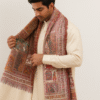
In a world waking up to the environmental cost of fast fashion, handloom clothing is making a remarkable comeback. What was once seen as traditional or niche is now being recognized as one of the most sustainable, ethical, and culturally rich alternatives to mass-produced apparel. Here’s why handloom clothing isn’t just part of the past—it’s the future of sustainable fashion.
1. It Has a Minimal Environmental Footprint
Handloom textiles are made on manually operated looms, meaning they require little to no electricity. This drastically cuts down on carbon emissions compared to industrial fabric production.
Most handloom artisans use natural, biodegradable fibers like cotton, linen, silk, and wool. Many also favor plant-based dyes, further reducing water pollution and chemical waste. The slow, mindful process ensures better quality fabric without the planet paying the price.
2. It Supports Artisan Livelihoods and Fair Wages
Behind every handloom piece is a skilled artisan—often part of a generational weaving community. Choosing handloom directly supports:
- Traditional craftsmanship
- Rural employment
- Fair wages and safe working conditions
Unlike fast fashion supply chains that often hide exploitation, handloom celebrates transparency and human skill.
3. Each Piece Tells a Story
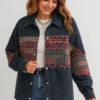
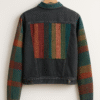
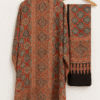
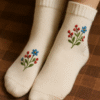
Handloom clothing is not just apparel—it’s heritage. Each weave, motif, and technique reflects a region’s culture and history. This gives every garment a unique, soulful identity that mass-produced clothing simply can’t replicate.
Wearing handloom means wearing a story, a tradition, and a piece of living heritage.
4. It Encourages Mindful, Slow Fashion
Handloom aligns perfectly with the global shift toward slow fashion—buying less, choosing better, and valuing longevity. Handwoven fabrics tend to be:
- More durable
- More breathable
- More comfortable with each wear
Consumers who invest in handloom pieces often build a long-lasting wardrobe, reducing overall consumption.
5. It Empowers Local Economies and Sustainable Growth
Handloom weaving clusters help sustain rural economies by:
- Creating decentralized, home-based employment
- Reducing migration from villages
- Empowering women artisans who form a large part of the weaving workforce
By keeping production local and small-scale, handloom supports sustainable community development rather than mass industrial expansion.
6. It Offers Timeless Style in a Trend-Driven World
Handloom clothing blends tradition with modern design, making it versatile for both everyday wear and special occasions. Its textures, fall, and aesthetic appeal give it a timeless charm—one that transcends short-lived fashion trends.
Final Thought: Handloom Is More Than Fashion—it’s a Movement
Choosing handloom is a conscious decision to support the planet, preserve heritage, and empower communities. As more consumers demand accountability from brands, the fashion industry is increasingly looking back at traditional handloom practices as a blueprint for a sustainable future.
Handloom clothing is not just an eco-friendly alternative—it’s the foundation of a more ethical, beautiful, and responsible fashion world.